How to Prepare Your Atlanta Home for Bed Bug Treatment — What to Do and What Not to Do
Preparation is the single most important factor in treatment success. This guide covers every step for both heat and chemical treatment.
Quick Answer
Preparing your Atlanta home for bed bug treatment requires stripping all bedding, washing and drying clothing on the highest heat setting for 30 minutes, removing items from closet floors, and creating clear access to baseboards and furniture. Heat treatment preparation differs from chemical treatment preparation in several key ways. Following preparation instructions exactly is the single biggest factor in treatment success.
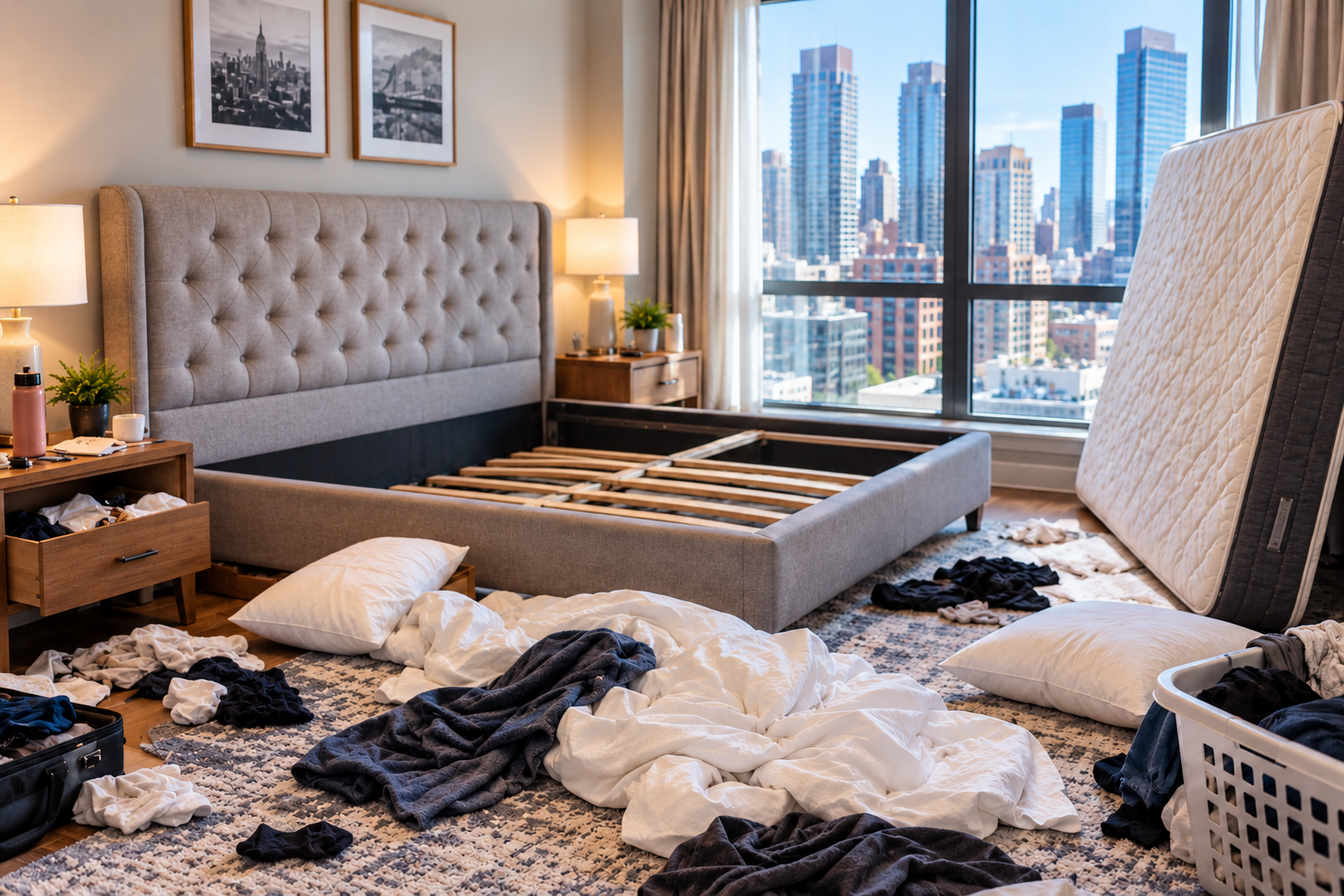
Preparation is not a formality. It is the most significant variable between a treatment that succeeds on the first visit and one that requires multiple follow-ups. Every year, we respond to calls from Atlanta clients whose previous treatment failed, and in most cases, inadequate preparation was the primary cause. The bed bugs survived in areas that were not accessible, or eggs in clothing that was not laundered survived and reestablished the infestation within 6 to 8 weeks.
This guide covers preparation for both heat treatment and chemical treatment, explains how preparation looks different in Atlanta’s various housing types, covers the most common mistakes that cause treatment failure, and tells you what to do with pets, food, electronics, and clothing. Follow these instructions in addition to the specific checklist your technician sends you before treatment day.
Heat Treatment Preparation: What to Do
Heat treatment works by raising the air temperature throughout the treated space to above 120 degrees Fahrenheit and holding it there. The preparation goal is to ensure heat can circulate freely to all areas and that items that would be damaged by that temperature are removed or protected.
Clothing and Soft Goods
Bag all clothing in sealed plastic bags or sealed laundry bags and wash and dry it on the hottest setting your appliances allow. The dryer is the key step: 30 minutes in a dryer set to high heat kills bed bugs and eggs at all life stages. Clean clothing can be stored in sealed bags in your car, in a locked storage unit outside the property, or anywhere outside the treatment space. Do not bring it back inside until the treatment is complete and the space has cooled.
For large closets full of clothing that would be time-consuming to bag, an alternative is to leave clothes hanging in the closet but remove items from the floor of the closet, open closet doors fully, and pull clothing away from the walls to allow heat to circulate. Discuss this approach with your technician to confirm it is appropriate for your situation.
Items to Remove Before Heat Treatment
The following items must be removed from the treatment space before a heat treatment begins:
- All candles and wax-based products
- All aerosol cans and pressurized containers
- Certain medications, particularly those with specific storage temperature requirements (check with your pharmacist)
- Houseplants and cut flowers
- Pets and their food, water, and bedding
- Fish tanks (these cannot be moved, so discuss with your technician)
- Fine artwork, photographs, and items with heat-sensitive adhesives
- Chocolate and temperature-sensitive food items (standard pantry items are fine)
- Musical instruments, particularly stringed instruments with wood glue joints
- Vinyl records
Items that do not need to be removed include standard electronics, appliances, furniture, and books. These tolerate the heat treatment temperature range without damage.
Creating Access for Heat Treatment
The technician needs clear access to all areas of the home. Clear items from closet floors, pull furniture away from walls by at least 6 inches where possible, and make sure all areas under beds are accessible. Open all interior doors including closets, cabinet doors, and any doors between rooms. The goal is to allow heated air to circulate without obstruction into every corner of the space.
In Atlanta’s smaller apartments in Midtown and Old Fourth Ward, where storage space is limited and items tend to be stacked in closets and under beds, the preparation effort is often the most significant part of the client’s involvement. Do not underestimate the time this takes. Allow at least 2 to 3 hours the day before treatment to complete preparation properly.
Chemical Treatment Preparation: What to Do
Chemical treatment preparation is somewhat less involved than heat treatment preparation, but it still requires specific steps that directly affect whether the treatment reaches all harborage points.
Bedding and Sleeping Areas for Chemical Treatment
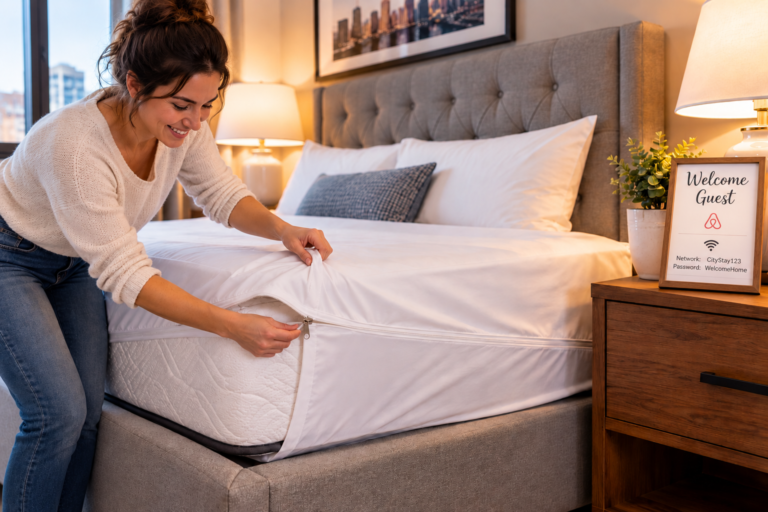
Strip all bedding from every bed in the treatment area. Bag and launder all bedding, sheets, pillowcases, and mattress covers on high heat. Leave the bare mattress and box spring exposed and accessible. Do not put any bedding back on the mattress until after the treatment is complete and dry.
Clear all items from under the bed and from the floor of the bedroom within 3 feet of the bed. The technician needs to access the bed frame, the bed legs, and the baseboards immediately surrounding the sleeping area. Stored boxes, shoes, and other items under the bed are exactly where bed bugs establish secondary harborage, and they need to be accessible to treatment.
Furniture and Living Areas for Chemical Treatment
Clear items from nightstands, dressers, and bookshelves near the sleeping area. Pull upholstered furniture away from walls to give the technician access to the back and underside. Remove cushions from sofas and chairs in the living room. These items are inspected and treated as part of the service.
In older Atlanta bungalows with built-in furniture, drawer units, and window seats, make sure these areas are cleared and accessible. Built-in furniture with deep cavities is a common secondary harborage location that is easy to miss if the area is cluttered.
Pets and Children for Chemical Treatment
Household members, including children and pets, should leave the property for the duration of treatment and for 2 to 4 hours after completion to allow products to dry. Birds are particularly sensitive to insecticide vapors and should be removed to a location away from the property for the day. Fish tanks should be covered and the filter turned off during treatment to prevent chemical vapor from entering the water.
Food and Kitchen Areas
Chemical treatment is typically not applied in kitchen areas unless bed bugs have been found there (uncommon). Standard kitchen and pantry items do not need to be bagged or removed. If you are treating an infested kitchen area, food items in opened packaging should be removed or sealed in airtight containers. Dishes and utensils should be covered or stored away from treated surfaces.
Electronics
Standard electronics do not require special handling for either heat or chemical treatment. Heat treatment temperatures used for bed bug elimination are below the threshold that damages most consumer electronics. Chemical treatment does not affect electronics when applied correctly to mattresses, furniture, and baseboards rather than onto electronic equipment directly.
Common Preparation Mistakes That Cause Treatment Failure
These are the mistakes we see most often from Atlanta clients whose treatments did not succeed on the first attempt:
- Skipping the laundry step entirely or not using high heat for the full 30 minutes
- Moving infested items to other rooms in the home during preparation, spreading bed bugs to previously clean areas
- Leaving plastic bags of clothing inside the treatment space where heat cannot penetrate fully
- Not clearing items from under beds and in closets, leaving harborage points inaccessible to treatment
- Bagging items and taking them to a neighbor’s or family member’s home, potentially spreading the infestation there
- Starting treatment before preparation is complete, which forces the technician to work around inaccessible areas
Do not move items out of the treatment area and into a storage unit, a car, or another home without first treating those items or being certain they are not infested. Moving untreated items out of an infested space is one of the primary ways bed bugs spread from one property to another.
Preparation in Atlanta’s Specific Housing Types
Preparation looks different depending on the type of property being treated. In a Midtown high-rise with limited storage and small floor plans, the primary challenge is the volume of clothing and soft goods in a compact space. Allow extra time and prioritize access to the sleeping areas and floor areas first.
In the older Craftsman bungalows common in neighborhoods like Grant Park, preparation needs to account for built-in furniture, deep closets with original shelving, and original hardwood floors with significant gaps. These properties have more potential harborage points than newer construction, which makes access preparation even more important.
For more on how treatment itself works after preparation is complete, see our full treatment process guide. For details on heat treatment specifically, see our heat treatment page.
FAQ: Preparation for Bed Bug Treatment in Atlanta
You need to launder all clothing on high heat before treatment, not necessarily bag it. Bagging clothing that has already been laundered on high heat and storing it outside the treatment space is the safest approach. If your clothing has not been laundered, it needs to either be laundered before treatment or left in place inside the treatment space so the heat can reach it. Do not bag unlaundered clothing and store it elsewhere, as this creates a reinfestation risk when you bring those bags back.
No. All pets must leave the property for the duration of heat treatment. The temperatures used are lethal to pets if they remain in the treated space. Plan for your pets to be at a veterinary boarding facility, with a friend, or in any location outside the property for the full 6 to 8 hours of treatment plus the cool-down period. Fish tanks need to be discussed with your technician before treatment day as they require specific handling.
We send the preparation checklist 48 hours before your treatment date. For most Atlanta apartments and homes, allow 2 to 4 hours for preparation the day before treatment. Do not wait until the morning of treatment to begin. Rushed preparation leads to incomplete access and missed harborage points that reduce treatment effectiveness. If you have a particularly large home or heavy clutter, contact us when you schedule so we can discuss what level of preparation is needed for your specific situation.
Ready to Schedule Your Treatment? Start With a Free Inspection.
Serving Atlanta, GA and all communities within 50 miles. We send preparation instructions 48 hours before every treatment.