
Atlanta Landlord and Tenant Bed Bug Rights — What Property Owners Must Know
Georgia’s habitability requirements, landlord obligations, tenant rights, documentation, and what property managers must do to protect themselves legally.
Quick Answer
Under Georgia landlord-tenant law (O.C.G.A. Section 44-7-13), Atlanta landlords must maintain habitable premises, which courts have interpreted to include treating bed bug infestations after tenants provide written notice. Remediation by a licensed pest control professional is expected within a reasonable timeframe. Georgia has no specific bed bug disclosure statute, but failure to act can expose landlords to rent withholding claims and legal liability.
Georgia does not have a statewide bed bug disclosure law like some other states. There is no Georgia equivalent to New York City’s Local Law 69, which requires landlords to disclose prior infestation history to prospective tenants. What Georgia does have is a general habitability requirement that courts have consistently applied to pest infestations, including bed bugs. Understanding exactly what that means, what landlords must do, and what tenants can expect is essential for anyone managing or renting residential property in Atlanta.
This guide covers the Georgia legal framework, what landlords are practically required to do, how to document for legal compliance, and specific considerations for property managers, hotel operators, and short-term rental hosts. This is general information and not legal advice. Consult a licensed Georgia attorney for guidance on a specific dispute.
Note: This information reflects Georgia landlord-tenant law as of October 2026. Laws change. Confirm current requirements with a licensed Georgia attorney or the Georgia Department of Community Affairs.
Georgia’s Habitability Requirement: O.C.G.A. Section 44-7-13
Georgia Code Section 44-7-13 requires landlords to maintain rental premises in a condition that is safe and habitable throughout the tenancy. The statute itself does not specifically name bed bugs, but Georgia courts have consistently interpreted the habitability standard to include freedom from pest infestations that render a property uninhabitable or substantially interfere with the tenant’s quiet enjoyment of the premises.
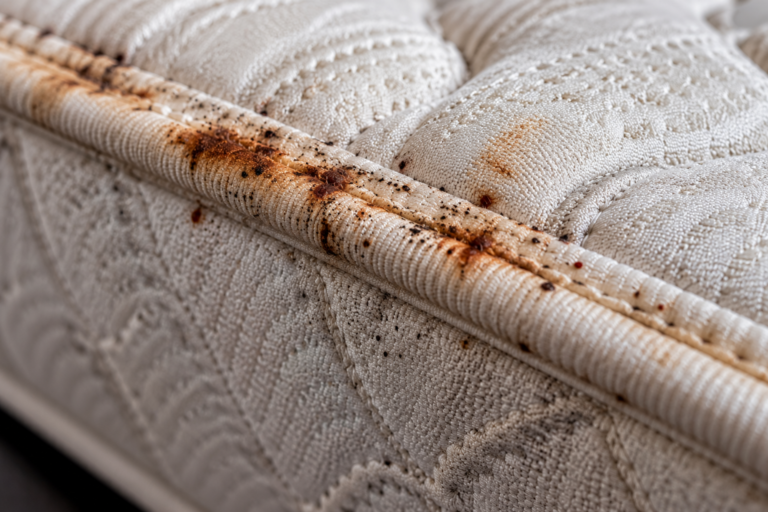
A significant bed bug infestation clearly meets this threshold. Bed bugs cause sleep deprivation, psychological distress, and in some cases secondary skin infections from biting. Courts in multiple states with similar habitability statutes have held that a landlord’s failure to address a bed bug infestation after receiving notice constitutes a breach of the implied warranty of habitability. Georgia courts apply the same general principles.
The practical implication: when a tenant notifies a Georgia landlord in writing of a bed bug infestation, the landlord has a legal obligation to act within a reasonable timeframe by engaging a licensed pest control professional.
What “Reasonable Timeframe” Means in Practice
Georgia law does not specify a fixed number of days within which a landlord must respond to a bed bug complaint. Courts apply a reasonableness standard based on the circumstances. Practically speaking, property managers and landlords should treat a bed bug notification as requiring action within 5 to 7 business days at the outside. Delaying for weeks or referring to it as a “scheduling issue” does not protect a landlord legally.
The reasonable timeframe standard means the landlord must actually engage a licensed pest control professional to inspect and treat the property, not simply acknowledge the complaint. Sending the tenant a can of spray and asking them to handle it does not satisfy the habitability obligation and creates additional legal exposure.
What Tenants Are Required to Do
Tenants are expected to provide written notice to the landlord of the infestation before any legal rights or remedies are available to them. Verbal notice is insufficient for legal purposes. The written notice should document the date, describe the signs of infestation observed, and request remediation. The tenant should keep a copy.
In Atlanta, the most defensible approach for a tenant is to send written notice by email, creating a timestamp record, and follow up with a physical letter if no response is received within 72 hours. We provide inspection reports that tenants can attach to landlord notifications to establish the factual basis of the claim with professional documentation.
Tenant Rights and Legal Remedies in Georgia
If a Georgia landlord receives written notice of a bed bug infestation and fails to remediate within a reasonable time, tenants have several potential legal options:
- Rent withholding or rent escrow pending remediation
- Filing a complaint with local code enforcement or the Georgia Department of Community Affairs
- Pursuing a claim in Georgia Magistrate Court for damages including treatment costs, property damage, and diminished enjoyment
- In severe cases, constructive eviction arguments if the property is rendered uninhabitable
Georgia is generally considered a landlord-friendly state, and courts tend to require tenants to demonstrate that proper notice was given before any remedies apply. This is why written documentation from the first communication is critical.
What Landlords and Property Managers Should Document
Property managers handling bed bug situations in Atlanta should document every step of their response. A clear paper trail demonstrates good-faith compliance with the habitability standard and protects against legal claims. Documentation should include:
- Date and content of the tenant’s written notification
- Date the landlord contacted a licensed pest control professional
- Written inspection report from the pest control company
- Written treatment recommendation and agreed protocol
- Treatment dates and any preparation instructions given to the tenant
- Follow-up inspection report confirming elimination
We provide written inspection reports and follow-up documentation specifically designed to support property managers in maintaining this paper trail. Call (404) 678-9427 to discuss documentation protocols for your property portfolio.
Multi-Unit Buildings: Landlord Obligations and Practical Approach
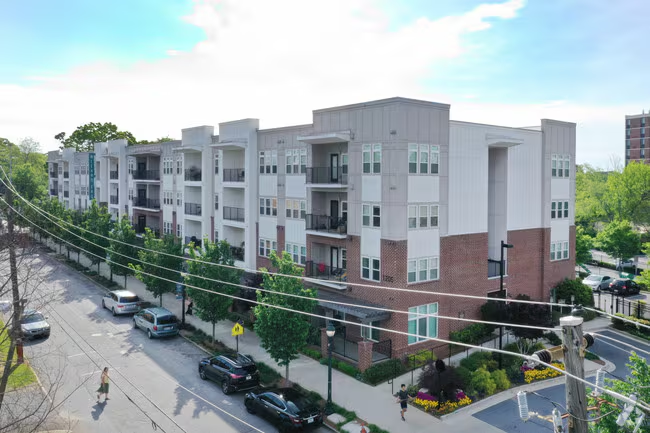
In Atlanta’s dense apartment buildings, a single infested unit creates a building-level problem. Bed bugs travel through shared walls, plumbing penetrations, and utility chases. Treating one unit while ignoring adjacent units is a partial response that typically fails within 4 to 8 weeks when reinfestation arrives from an untreated neighboring unit.
Best practice for property managers is to treat the affected unit and inspect all immediately adjacent units (above, below, and side-to-side) at the time of the initial treatment. In buildings with recurring bed bug problems, a more systematic approach covering all units on the affected floor is warranted. This reduces overall treatment cost over time by preventing reinfestation cycles.
See our treatment process page for the full protocol and how we handle multi-unit coordination.
Airbnb and Short-Term Rental Hosts in Georgia
Georgia’s habitability requirements apply most directly to traditional landlord-tenant relationships under lease agreements. Short-term rental hosts operating under platforms like Airbnb occupy a different legal category, but they face both platform-level obligations and potential common law liability to guests who are harmed by bed bug infestations in their properties.
Airbnb’s host policies require properties to be free of pest infestations. A guest report of bed bugs can trigger a reservation cancellation, a host penalty, and a review that affects future booking rates. Georgia law does not require Airbnb hosts to disclose prior infestation history in the same way some states require traditional landlords to, but a documented history of infestations that were not properly remediated creates legal exposure if a guest suffers harm.
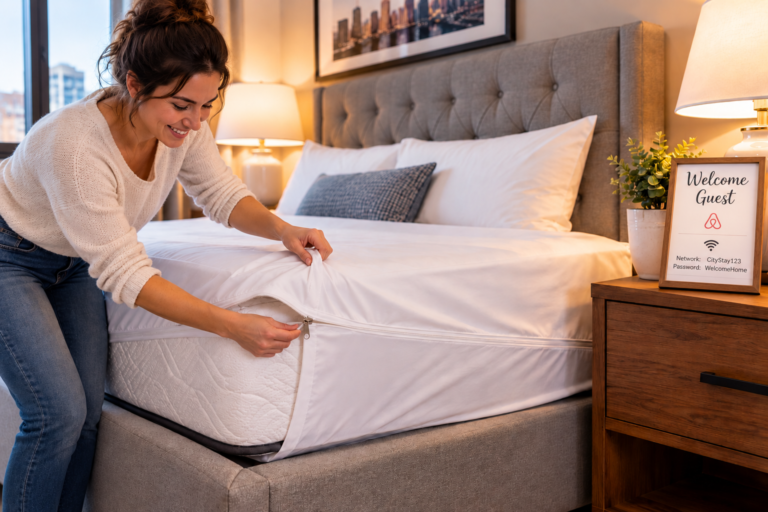
For short-term rental hosts in Atlanta, the practical obligation is to maintain a verified pest-free property through regular professional inspections and immediate treatment when any guest report triggers a concern. See our inspection page for information on quarterly inspection programs for active Airbnb hosts.
FAQ: Atlanta Landlord and Tenant Bed Bug Rights
No. Georgia does not have a statewide bed bug disclosure law. There is no requirement comparable to New York City’s Local Law 69 that requires landlords to disclose prior infestation history to prospective tenants before lease signing. However, knowingly renting a property that currently has an active infestation without disclosure creates significant legal and liability exposure. The general duty of good faith and fair dealing in Georgia contracts would apply.
Georgia tenants may have the right to withhold rent or place rent in escrow pending remediation if the landlord has received written notice and failed to act within a reasonable timeframe. This is a significant legal action with procedural requirements. Tenants should consult a Georgia tenant rights attorney or the Georgia Legal Aid Society before withholding rent to ensure they follow the correct procedure. Documentation of written notice and the landlord’s non-response is critical.
Under Georgia’s habitability requirements, the landlord is responsible for remediating pest infestations that affect the habitability of the property. If the infestation was caused by the tenant bringing in infested furniture or failing to follow reasonable pest prevention measures outlined in the lease, the landlord may have grounds to seek cost recovery from the tenant. In practice, the landlord typically arranges and pays for treatment and disputes cost allocation separately if warranted. We can provide documentation to support either position.
Act quickly and document everything. Acknowledge the written complaint within 24 hours. Contact a licensed pest control professional within 2 to 3 business days to schedule an inspection. Provide the tenant with a written timeline for the inspection and expected treatment. Obtain written documentation from the pest control company at every stage. Avoid attempting to handle the situation with over-the-counter products, as this delays proper treatment, may not comply with Georgia’s habitability requirements, and creates a record of inadequate response. Call (404) 678-9427 for same-day inspection scheduling for your property.
Bed Bug Treatment for Atlanta Landlords and Property Managers
Free inspection and written documentation provided. Serving Atlanta and all communities within 50 miles. Volume pricing available for multi-unit properties.

2 Comments