Bed Bug Hotspots in Atlanta — Neighborhoods Most Affected in 2026
Where bed bugs concentrate in Atlanta, why those areas see higher rates, and what residents can do.
Quick Answer
The Atlanta neighborhoods with the highest bed bug activity include Old Fourth Ward, East Atlanta Village, Midtown, and Inman Park, where dense apartment housing and high resident turnover create ideal conditions for infestations to spread between units. Cabbagetown and Grant Park, with their concentration of older Craftsman bungalows converted to rentals, also see above-average bed bug reports each year.
Bed bugs do not distribute evenly across a city. They concentrate in areas where housing density is high, resident turnover is frequent, and older building stock makes it harder to catch and eliminate them early. Atlanta has several neighborhoods that consistently see higher bed bug activity based on these factors. This guide covers which areas those are, why they see higher rates, and what residents in those neighborhoods can do to protect themselves.
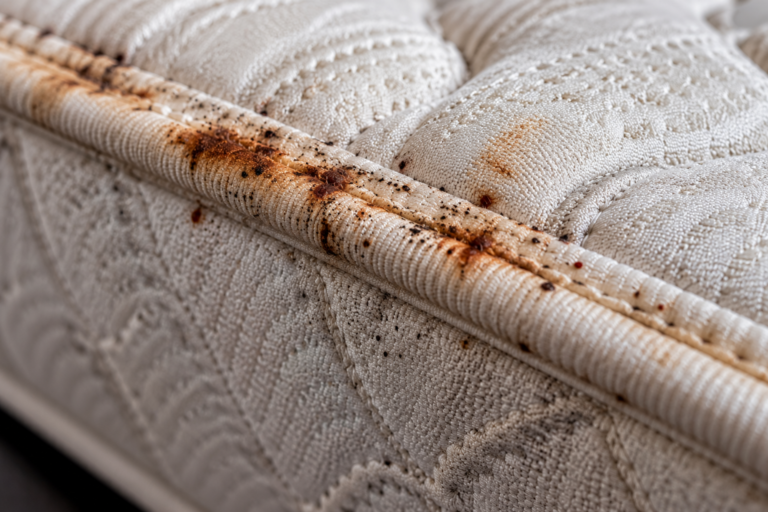
If you are in any of the areas described below and have noticed bites, stains on your mattress, or other warning signs, the right move is a professional inspection before the infestation can spread to neighboring units. The inspection is free. Call (404) 678-9427 or visit our bed bug inspection page.
Old Fourth Ward
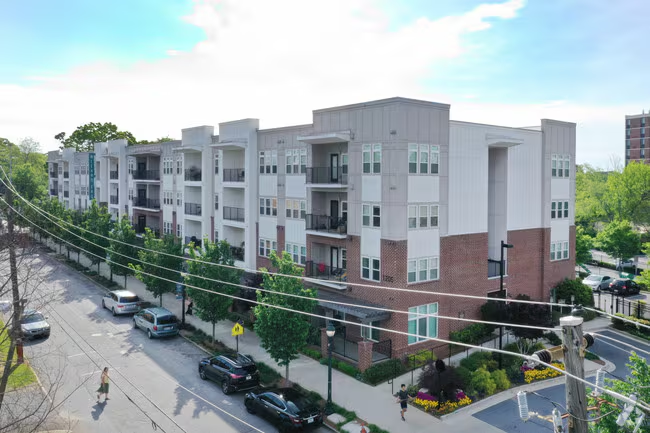
Old Fourth Ward is one of Atlanta’s most active rental markets. The neighborhood has seen massive development over the past decade, with newer apartment towers rising alongside converted historic buildings from the early twentieth century. The mix of building ages matters: newer construction tends to have tighter building envelopes and fewer harborage points, but older converted buildings have deep wall voids, original plaster construction, and floor gaps that make bed bug elimination more difficult.
High resident turnover in Old Fourth Ward drives infestation risk up. The neighborhood attracts young professionals on shorter lease cycles. Bed bugs move with people, in luggage, clothing, and used furniture. The more frequently people move in and out of a building, the more frequently the building is exposed to infestation introductions from new residents who were exposed elsewhere. In a dense building with annual turnover across multiple units, one introduced infestation can spread through shared walls before it is ever detected.
Old Fourth Ward residents should be especially cautious with secondhand furniture. Bed frames and upholstered couches from online resale platforms are a significant introduction vector. Inspect any secondhand furniture carefully before bringing it into your home.
Midtown
Midtown’s apartment towers are some of the densest residential buildings in the Southeast. Many buildings have hundreds of units stacked vertically, with shared laundry, shared elevators, and shared utility chases that provide pathways for bed bugs to move between floors. An infestation on the 8th floor can reach the 9th floor within weeks if it is not caught and treated.
Midtown also has a significant hotel and short-term rental corridor. Travelers checking into Midtown hotels and Airbnb listings arrive from cities with high bed bug density, including New York, Chicago, and Los Angeles. Infested luggage left in a room seeds the property for future guests. This traveler introduction vector affects both the hotel properties themselves and surrounding residential buildings when those travelers later move to or visit residential properties.
For Midtown residents, the key protective measure is vigilance after travel. When you return from a trip, inspect your luggage before bringing it into the bedroom and wash and dry all travel clothing on high heat before storing it.
East Atlanta Village
East Atlanta Village has a distinct housing profile. The neighborhood is dominated by older single-family homes that have been converted to rental use, split into duplexes, or subdivided into smaller units. These conversions often involve older plumbing walls, original hardwood floors with gaps, and construction details that were not designed to prevent pest movement between units.
The neighborhood also has a high concentration of short-term rental listings, particularly around the commercial strip on Flat Shoals Avenue and Glenwood Avenue. Short-term rental density in a residential neighborhood increases the frequency of exposure to guests traveling from high-risk origin cities.
East Atlanta Village renters should document any bed bug activity in writing to their landlord immediately, as Georgia’s habitability requirements under O.C.G.A. Section 44-7-13 require prompt action. See our full guide on Atlanta landlord bed bug law for tenant rights details.
Inman Park and Poncey-Highland
Inman Park and the adjacent Poncey-Highland neighborhood are characterized by late-Victorian and early-twentieth-century construction that has been renovated and converted to rental use over decades. These homes are some of Atlanta’s oldest surviving residential stock, and they come with construction details that create bed bug harborage challenges that newer buildings simply do not have.
Original crown moldings with deep crevices, older wood floors with significant gaps, and lathe-and-plaster walls with deep voids behind them all provide harborage that standard inspection may miss without specialist knowledge. When we inspect in these neighborhoods, we look specifically at these architectural features in addition to the standard inspection points.
Cabbagetown and Grant Park
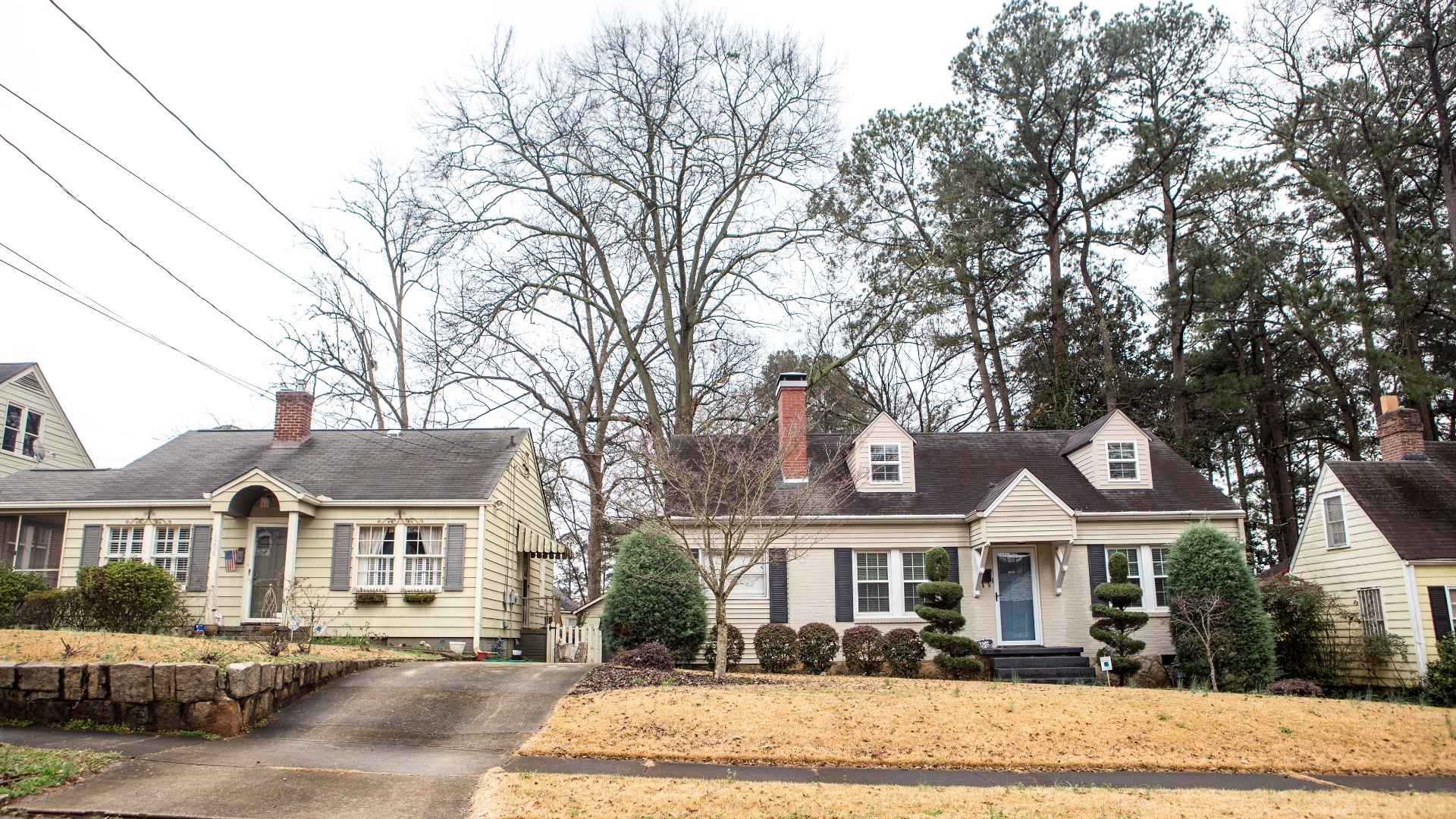
Cabbagetown and Grant Park are known for their concentration of Craftsman bungalows, many of which have been converted from single-family to duplex or multi-unit rentals. Craftsman construction involves deep wall voids, hollow door frames, built-in furniture with cavities, and window casings with deep recesses, all of which serve as bed bug harborage points that are harder to reach with standard treatment.
These neighborhoods also have higher rates of long-term rental occupancy, which can work in either direction. Long-term residents who develop an infestation tend to live with it longer before seeking treatment, which allows infestations to become more established before professional intervention begins. Established infestations in older Craftsman construction are among the most treatment-resistant situations we encounter.
Edgewood and Reynoldstown
Edgewood and Reynoldstown sit along the BeltLine corridor, which has driven significant new development and a rapid influx of new residents. The combination of new apartment construction alongside older rental stock creates a mixed-exposure environment. New residents arriving from higher-risk cities bring introductions, and both older and newer building stock in these neighborhoods sees the result.
The Edgewood-Candler Park MARTA station provides a direct connection to downtown Atlanta and the airport corridor, and while personal transit use is not a significant bed bug vector, the general pattern of people moving frequently between high-density areas increases introduction frequency over time.
Why Atlanta’s Housing Mix Elevates Risk Overall
Atlanta’s bed bug environment is shaped by several city-wide factors that affect every neighborhood. Hartsfield-Jackson International Airport is the world’s busiest passenger airport. Every day, thousands of travelers arrive in Atlanta from cities across the US and internationally, including from cities with high bed bug density. A portion of those travelers carry infested luggage into Atlanta hotels and residential properties.
Atlanta’s large college and university population, spread across Georgia Tech, Emory, Georgia State, and the Atlanta University Center cluster, produces two major move cycles annually, in August and May. These moves involve significant secondhand furniture transactions through online resale platforms, and bed bug-infested items are regularly sold and purchased in these cycles. College-adjacent neighborhoods see elevated bed bug introduction rates around these periods each year.
The practical guidance for any Atlanta resident is the same regardless of neighborhood: do not wait. Bed bugs do not resolve on their own. An infestation that is addressed at 4 to 8 weeks is significantly easier and cheaper to resolve than one at 6 months. The EPA’s bed bug resources confirm that early professional intervention produces the best outcomes. Call (404) 678-9427 for a free inspection.
What to Do If You Live in a High-Risk Atlanta Neighborhood
- Use mattress and box spring encasements, which trap any bed bugs that establish in the mattress and make early detection significantly easier
- Inspect your sleeping area monthly, checking mattress seams, headboard joints, and baseboards
- Be cautious with secondhand furniture, especially upholstered pieces and bed frames
- Wash and dry all travel clothing on high heat immediately when returning from any trip
- If you see bites, stains, or shed skins, call for a free inspection before the infestation spreads
- If you are a renter and discover bed bugs, notify your landlord in writing and keep a copy
See our full guide to signs of bed bugs in Atlanta homes to know exactly what to look for before calling for an inspection.
FAQ: Bed Bug Hotspots in Atlanta
Old Fourth Ward, Midtown, East Atlanta Village, Inman Park, Cabbagetown, and Grant Park consistently see higher bed bug activity based on the density of rental housing, older building stock, and resident turnover in each area. This does not mean other neighborhoods are immune. Bed bugs have been found in every type of Atlanta housing, from studio apartments to single-family homes in lower-density suburbs.
MARTA rail and bus seating has the theoretical potential to serve as a transmission surface, but the evidence for public transit as a significant bed bug vector is limited. Bed bugs prefer to stay near a consistent host, which makes a person’s home environment a far more likely transmission point than a seat on a train or bus. The more significant risk factors in Atlanta are secondhand furniture, travel luggage, and direct spread through shared walls in multi-family buildings.
Bed bugs spread between units in multi-family buildings primarily through shared walls, electrical conduit, plumbing penetrations, and under doorframes. They do not fly or jump but can walk considerable distances. An infestation that is not treated can spread to adjoining units within 4 to 8 weeks. This is why early treatment is important in apartment buildings, both for the affected resident and for the building as a whole.
Free Bed Bug Inspection Throughout Atlanta
Serving all Atlanta neighborhoods and all communities within a 50-mile radius. Call (404) 678-9427 for same-day response.